History
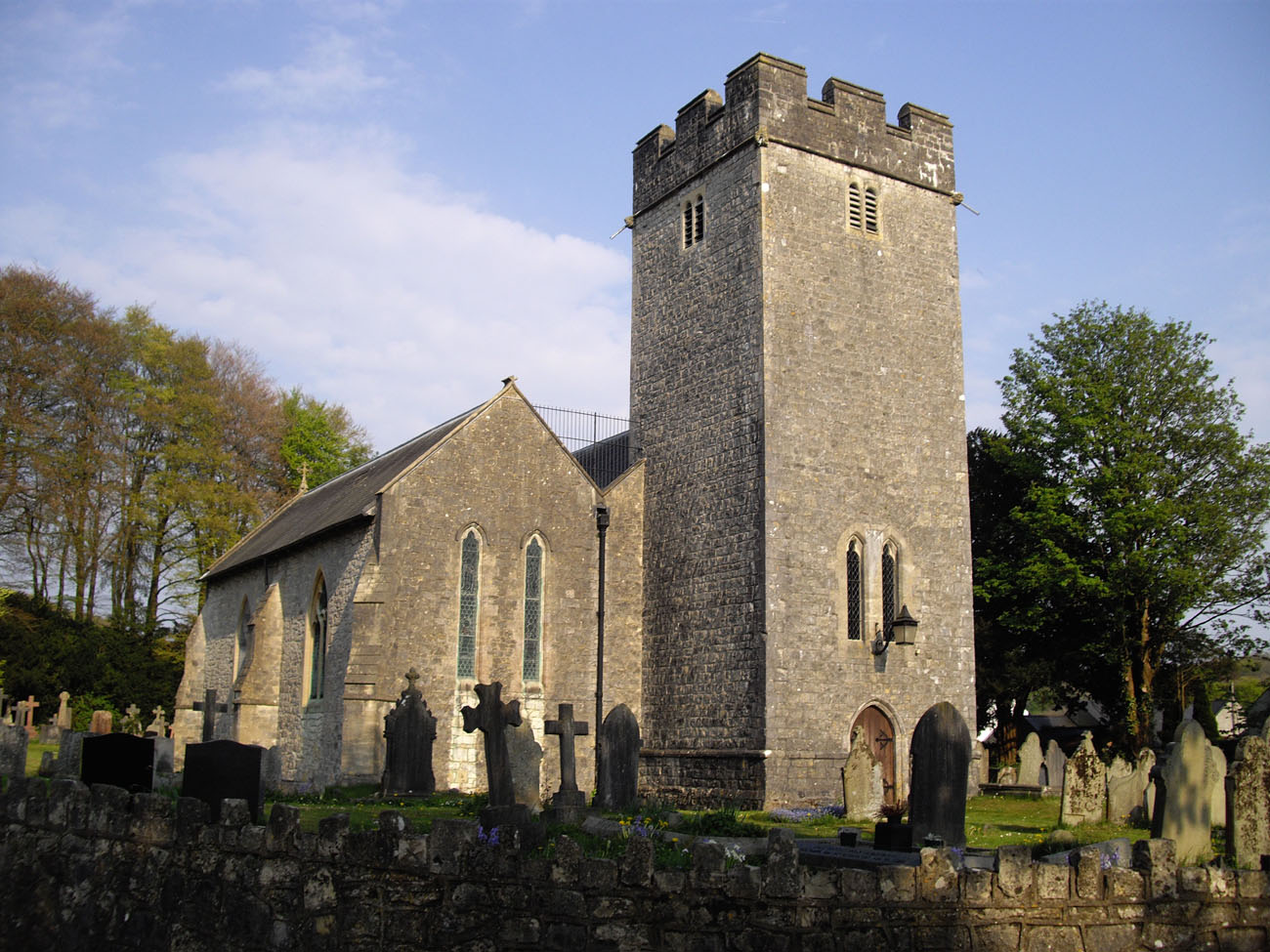
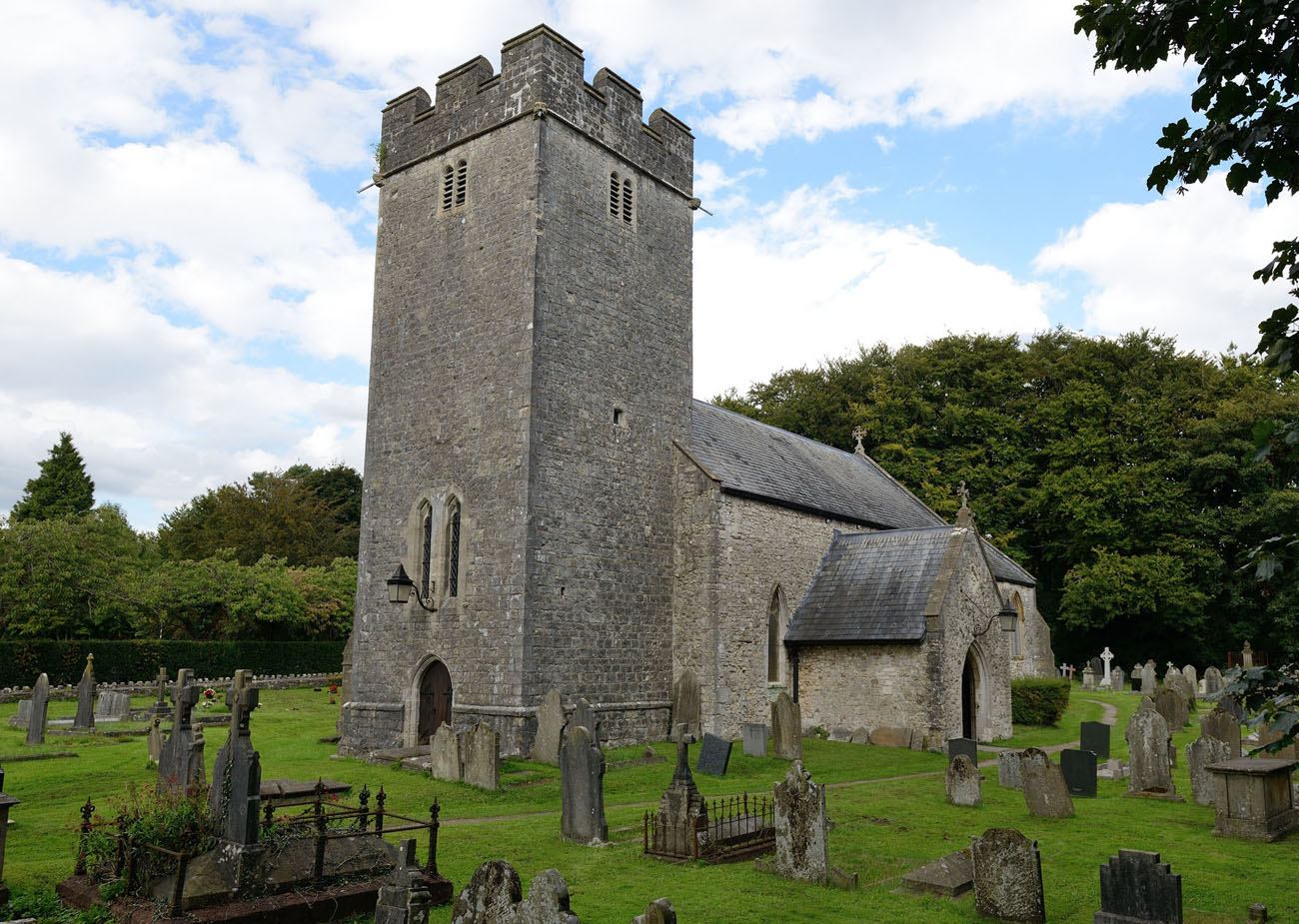
The church in St. Fagans was erected in the 13th century, although it was first recorded in documents in 1301. In the 14th century it was rebuilt and enlarged. In the fifteenth century, the porch was added and a roof truss of the nave was replaced. In the 17th century, the tower was rebuilt, which was additionally raised in 1730 during the then renovation. The whole building was restored in 1859-1860 and enlarged by a northern nave and sacristy. Since then, no major changes have been carried out, only in 1985 the tower was repaired and in 1991 the chancel was improved.
Architecture
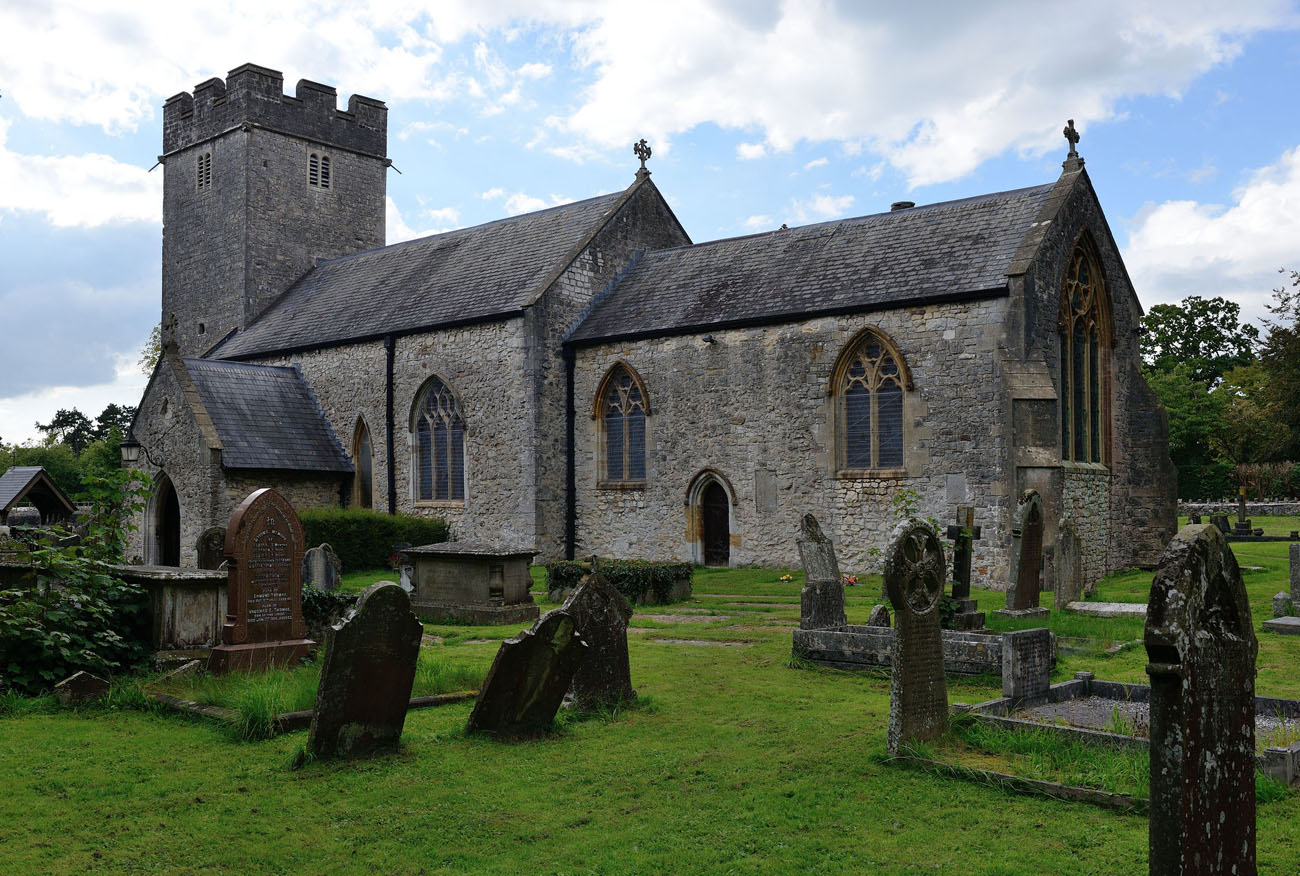
The medieval church initially consisted of a rectangular nave and a rectangular chancel on the eastern side, thus having a spatial layout typical of late Romanesque and early Gothic rural religious buildings. A quadrangular, initially not very high tower was added to the west in the 14th century. A porch was built at the southern entrance to the church towards the end of the Middle Ages. The entire structure was situated on the north side of the River Ely, close to the steeply descending slopes.
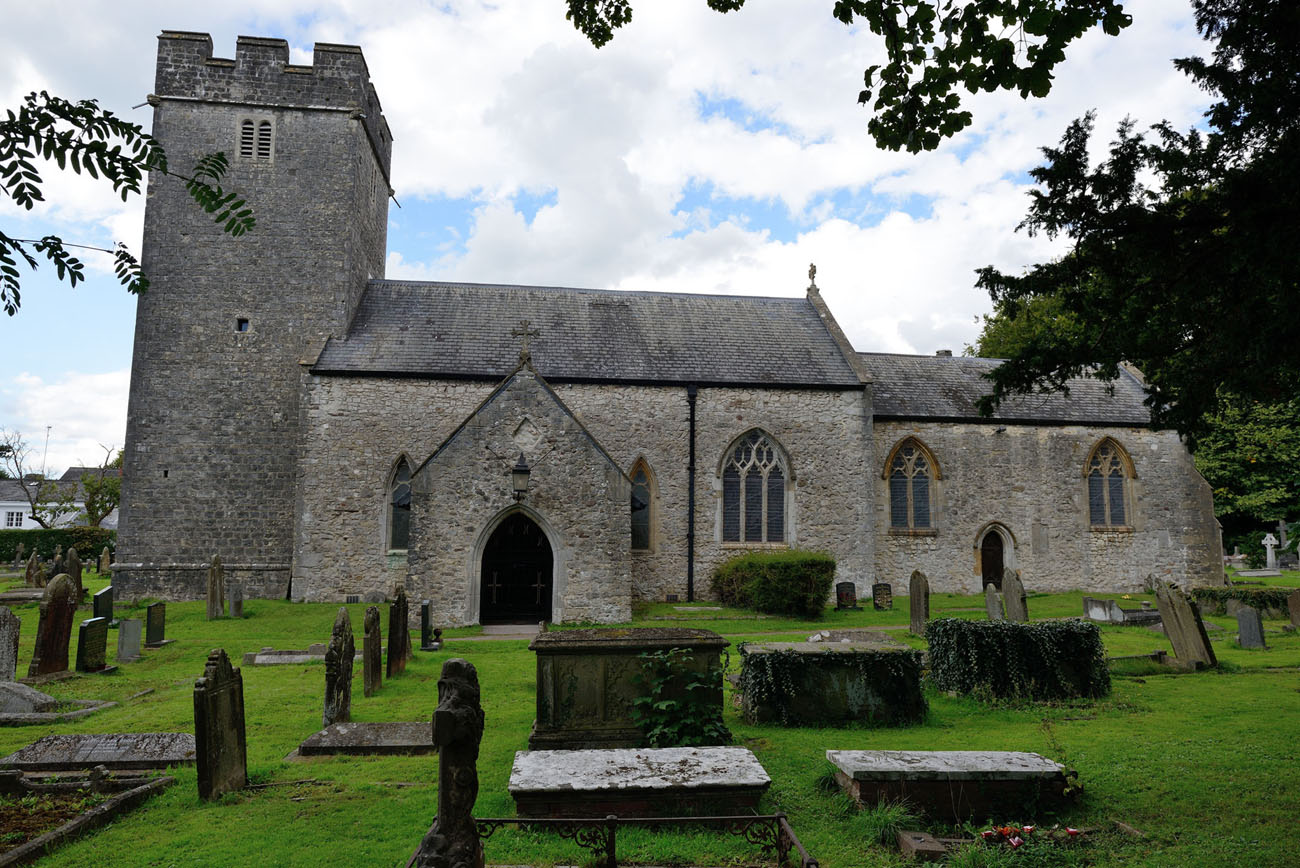
The original Romanesque windows were splayed, semicircular, with small openings. The Gothic windows in the nave were quite narrow but tall, topped by strong pointed arches. In the late Gothic period, the facades were pierced with large pointed windows filled with two-light and three-light tracery, with hood moulds set on consoles shaped like sculpted heads, mascarons, and various beasts. The east window of the chancel, traditionally distinguished by size, featured a three-light tracery with geometric arrangements of polygonal figures inscribed in spherical triangles, pointed arches, and circles. The window was framed internally by a moulded arcade set on wall-mounted shafts. In the nave, a large pointed window was pierced in the eastern part of the south wall. Its three-light tracery acquired an advanced character with motifs of ogee arches, trefoils, and cinquefoils.
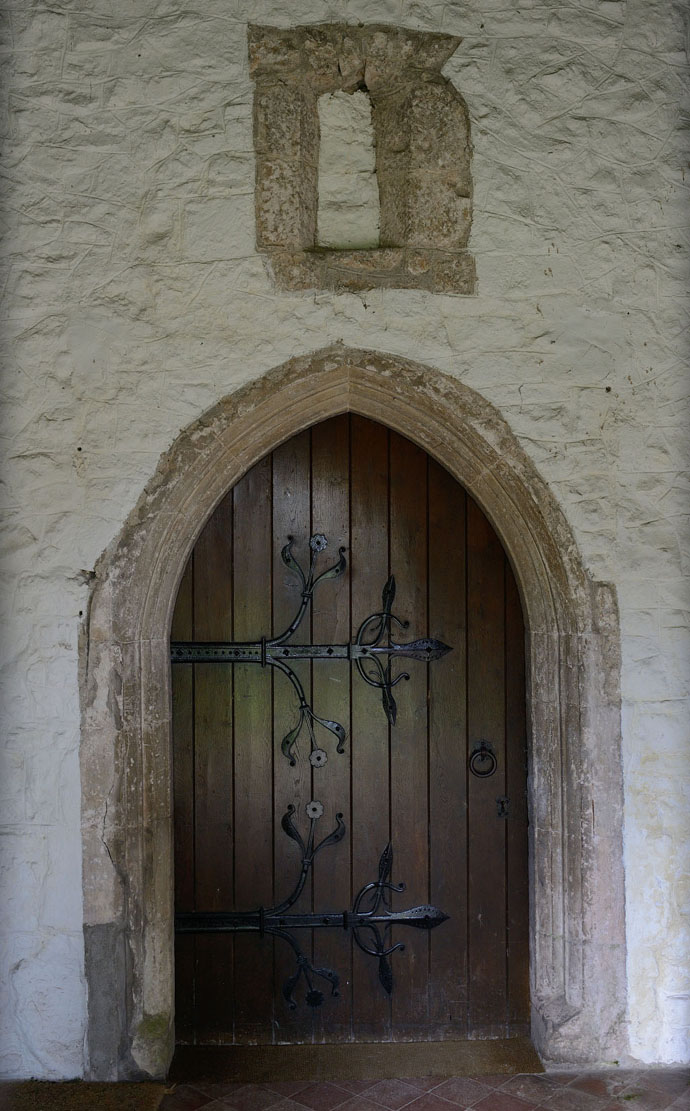
Entrance to the church in the High Middle Ages led through the south portal in the nave, with a pointed arch and continuous molding above low plinths. The entrance portal to the porch adopted a similar form, but with a different moulding. Another portal was located on the ground floor of the tower from the west, where it intersected by a prominent plinth cornice. Additionally, a narrow, pointed portal for the priest was placed in the southern wall of the chancel, framed like the windows, by a hood mould suspended on two stone consoles.
Inside, the nave was separated from the chancel by a narrow, tall, pointed arcade with a moulded and chamfered archivolt supported by triple shafts. This likely replaced an older, late Romanesque arcade, removed during the Gothic rebuilding. In the late Middle Ages, a timber rood screen may have stood in front of the chancel arch, attached to the eastern part of the jamb of the large, three-light window. The ground floor of the tower opened onto the nave with a narrow, 14th-century arcade, formed by a double-chambered pointed archivolt embedded in the straight jambs. A wooden barrel vault was built over the chancel in the 15th century, replacing an open roof truss or an older wagon roof. The nave of the church was probably topped in a similar way in the Middle Ages.
In the southern wall of the chancel four blind arcades were built, three of which were intended for sedilia and one for the piscina. All were capped at the same height by moulded pointed arches inscribed with cinquefoil tracery. The arcades were supported by trefoil-shaped pillars with round capitals and bases. The rich composition was complemented by carved consoles at the archivolt junctions and bas-relief floral motifs on the sides of the archivolts (spandrels).
Current state
The body of the medieval church is noticeably enlarged today due to the addition of the northern aisle, sacristy and elevation of the tower. In the western part of the southern wall of the nave, a pointed, single-light window from the fourteenth century has been preserved, but a similar window in the eastern part of the south wall is already an early modern copy. A bricked-up late Romanesque window can be seen inside the porch above the portal. Another blocked late Romanesque window is visible inside the nave, also in the south wall. Original Gothic windows with restored tracery have survived in the chancel walls, where one can also see impressive sedilia and a piscina, as well as a wagon roof dating from the 15th century.

bibliography:
Newman J., The buildings of Wales, Glamorgan, London 1995.
Salter M., The old parish churches of Gwent, Glamorgan & Gower, Malvern 2002.
Wooding J., Yates N., A Guide to the churches and chapels of Wales, Cardiff 2011.