History
The church of St. Michael and All Angels in Colwinston was built as early as the 12th century. The first record of the local parish dates back to 1141, when Maurice de Londres confirmed the donation of the church and its tithes to the Benedictine priory in Ewenny. In the 13th century the church was enlarged with a chancel, around the 14th century it was decorated with wall paintings, and at the beginning of the 16th century it was expanded with a porch and a tower. In 1879, the building was renovated by Henry Williams of Bristol, and in 1881 its furnishings were modernized. Unfortunately, in 1971, the chancel was damaged by fire, after which it was quickly renovated, but a modern sacristy was also built on the north side.
Architecture
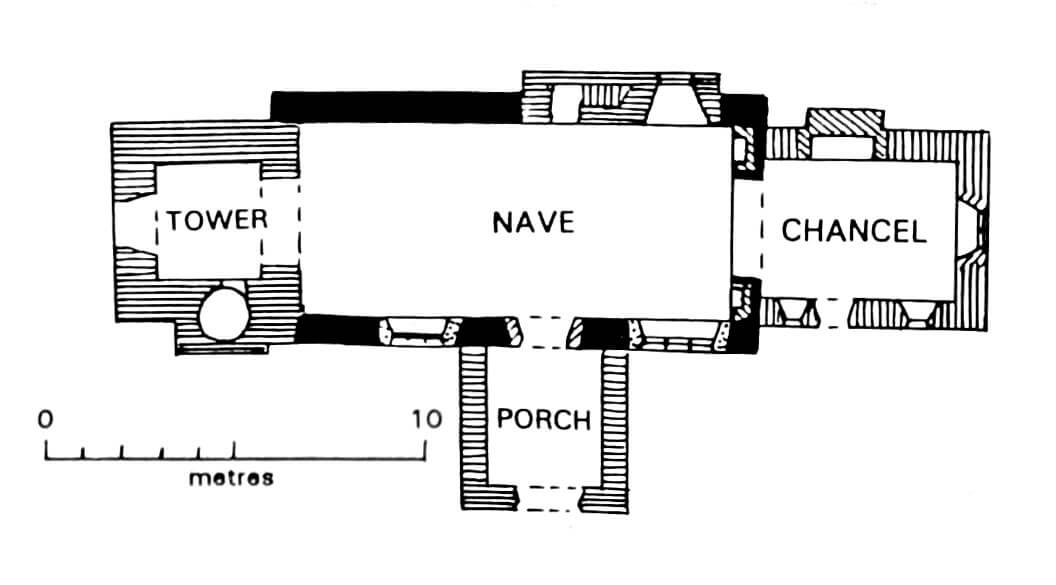
The church was built on a gently sloping site towards the Colwinston Stream to the south. Originally, it consisted of a Romanesque, rectangular nave, an aislelss structure without an externally separated chancel, unless an apse existed on the eastern side. The simple and austere structure was towerless; at most, a small bellcote might have existed above the western gable of the nave. The church also oryginally lacked any annex or projection at that time. The entrance may have been in the western or southern wall. The original windows must have been narrow, splayed inward, and perhaps with a semicircular arches.
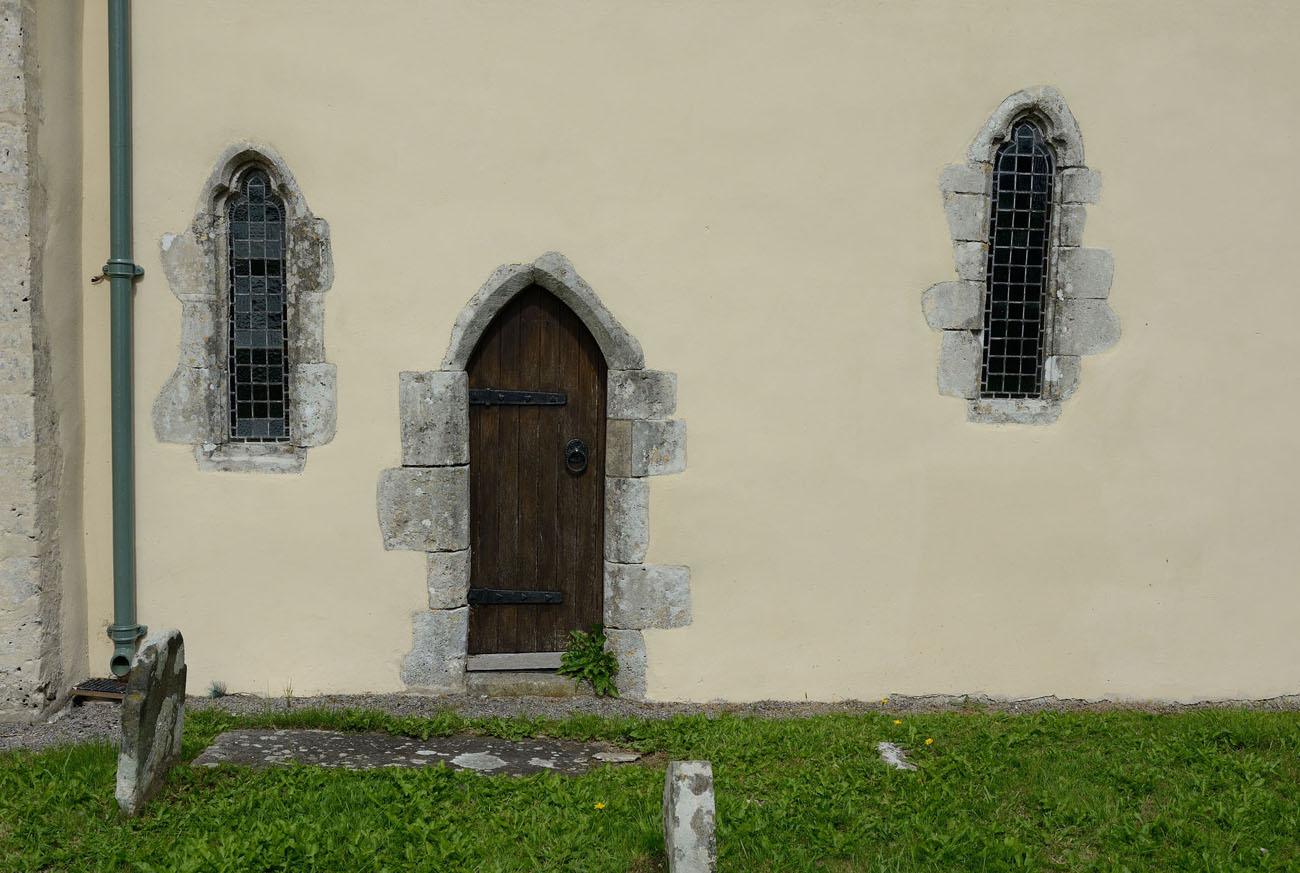
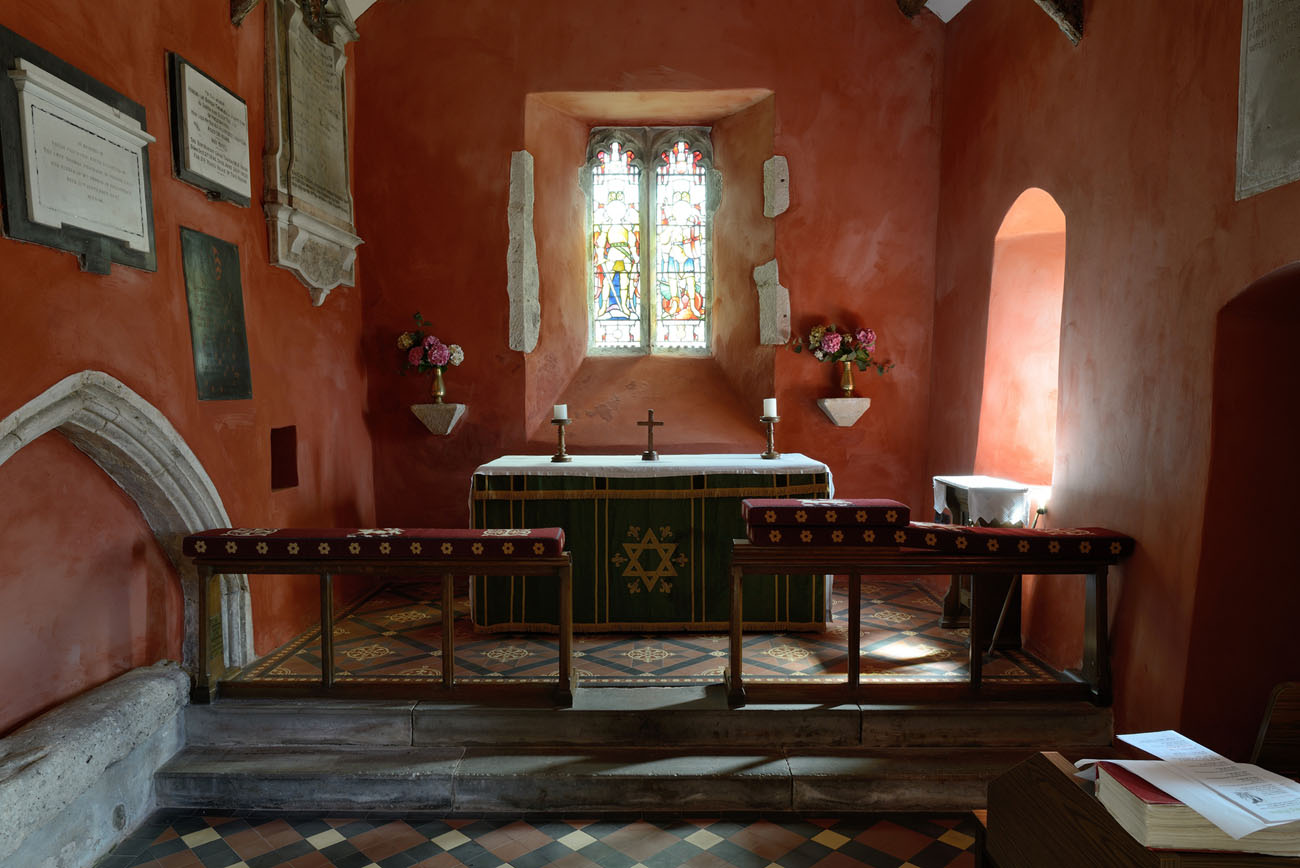
A chancel, shorter, narrower, and lower than the nave, also rectangular, was added to the eastern side of the church in the 13th century. It was lit by narrow, tall windows with trefoil heads, set in chamfered and recessed frames, originally closed by wooden shutters. The chancel was also equipped with a separate entrance portal for the priest in the south wall. This portal was closed with a pointed arch and chamfered along its entire height. In the 13th century, the nave was likely illuminated by similar, small openings in early Gothic forms.
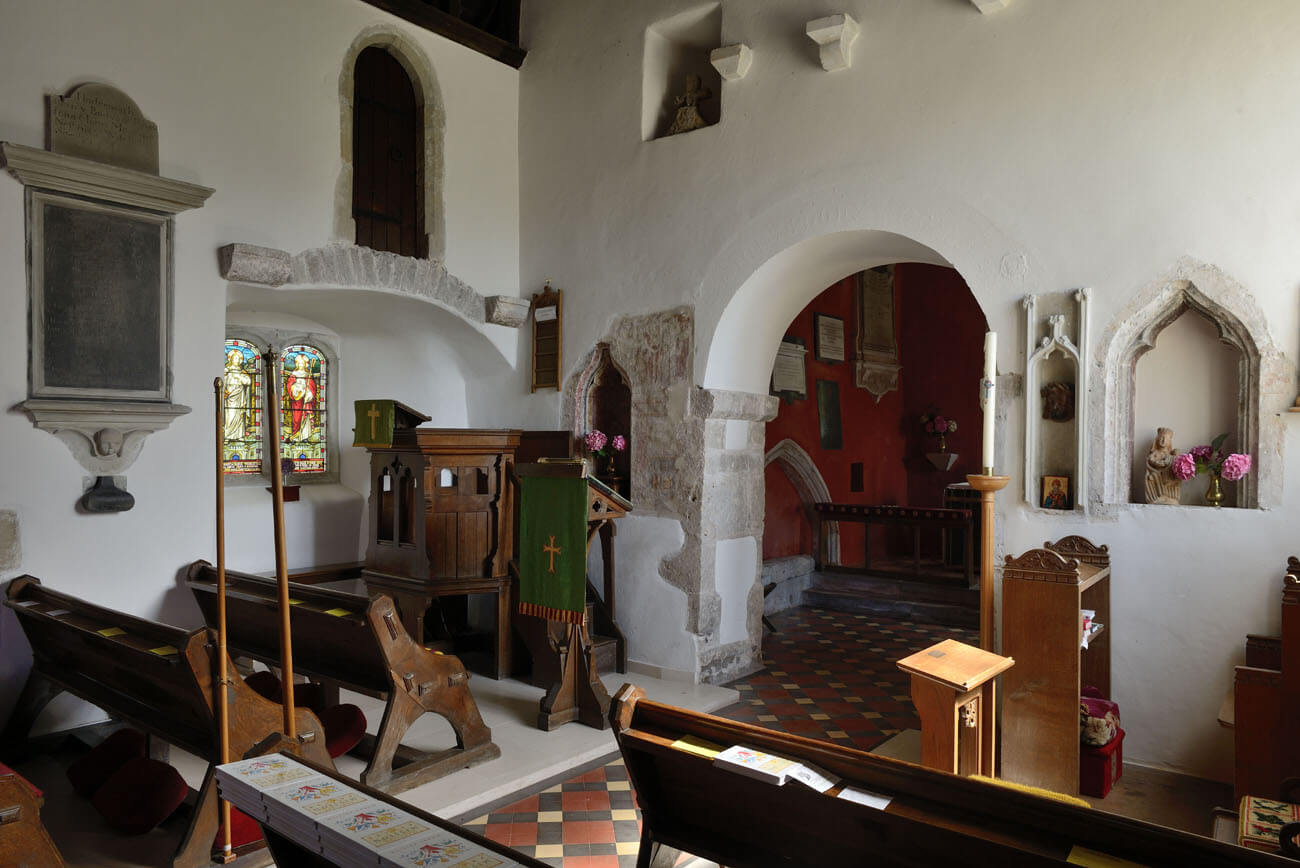
Inside the church, the nave was separated from the chancel by a semicircular arcade with an archivolt set on chamfered imposts. On its sides, in the 14th or 15th century, three niches were created in the wall facing the nave, each with a so-called ogee arch. One of these, the narrowest, was decorated with a fleuron, two crockets, and flanking bas-relief pinnacles. All niches were covered with colorful paintings, creating figurative scenes on the wall. In the late Middle Ages, the nave was separated from the chancel by a rood screen, on which the first floor with loft was constructed, available through the specially thickened section of the northern wall.
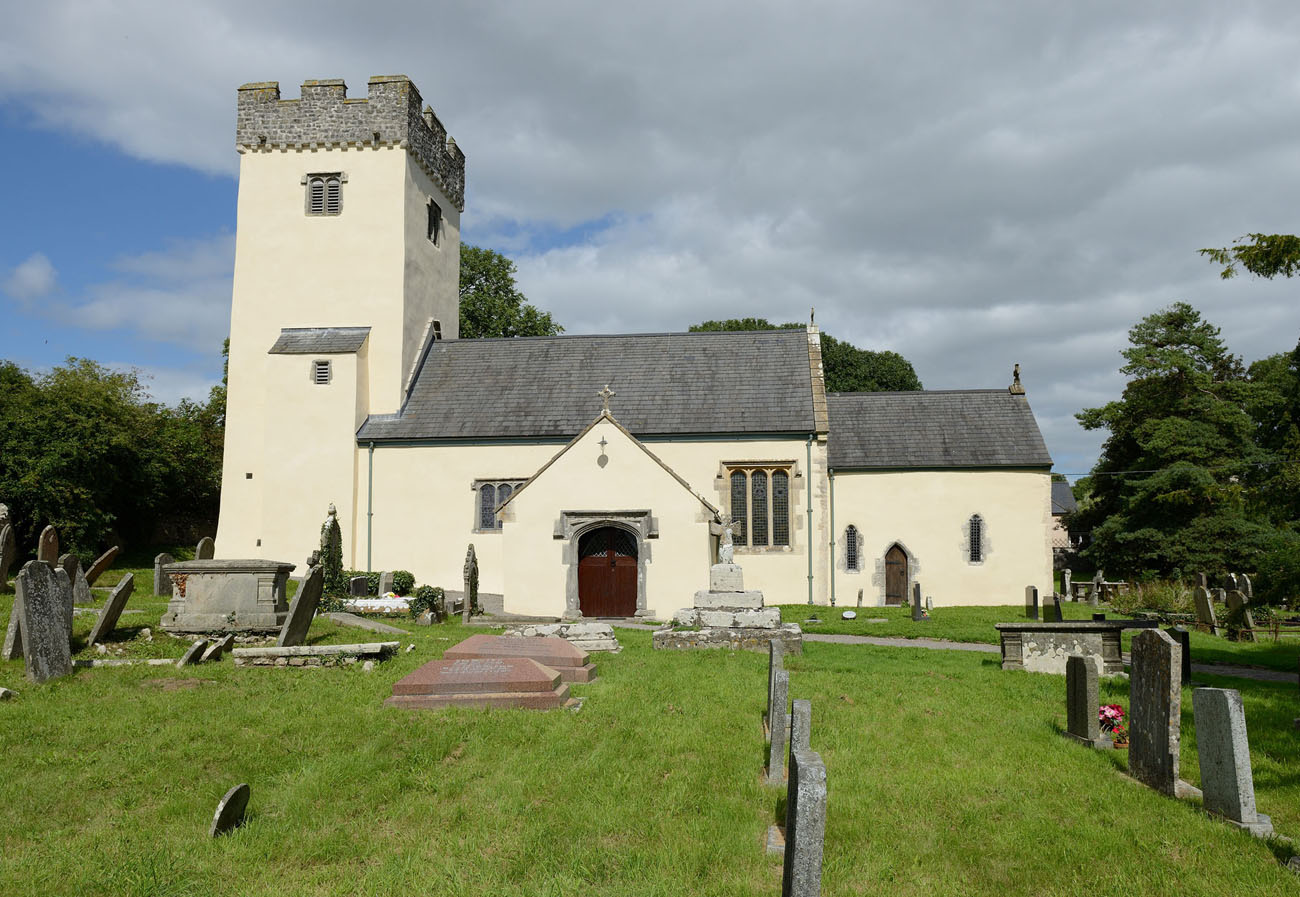
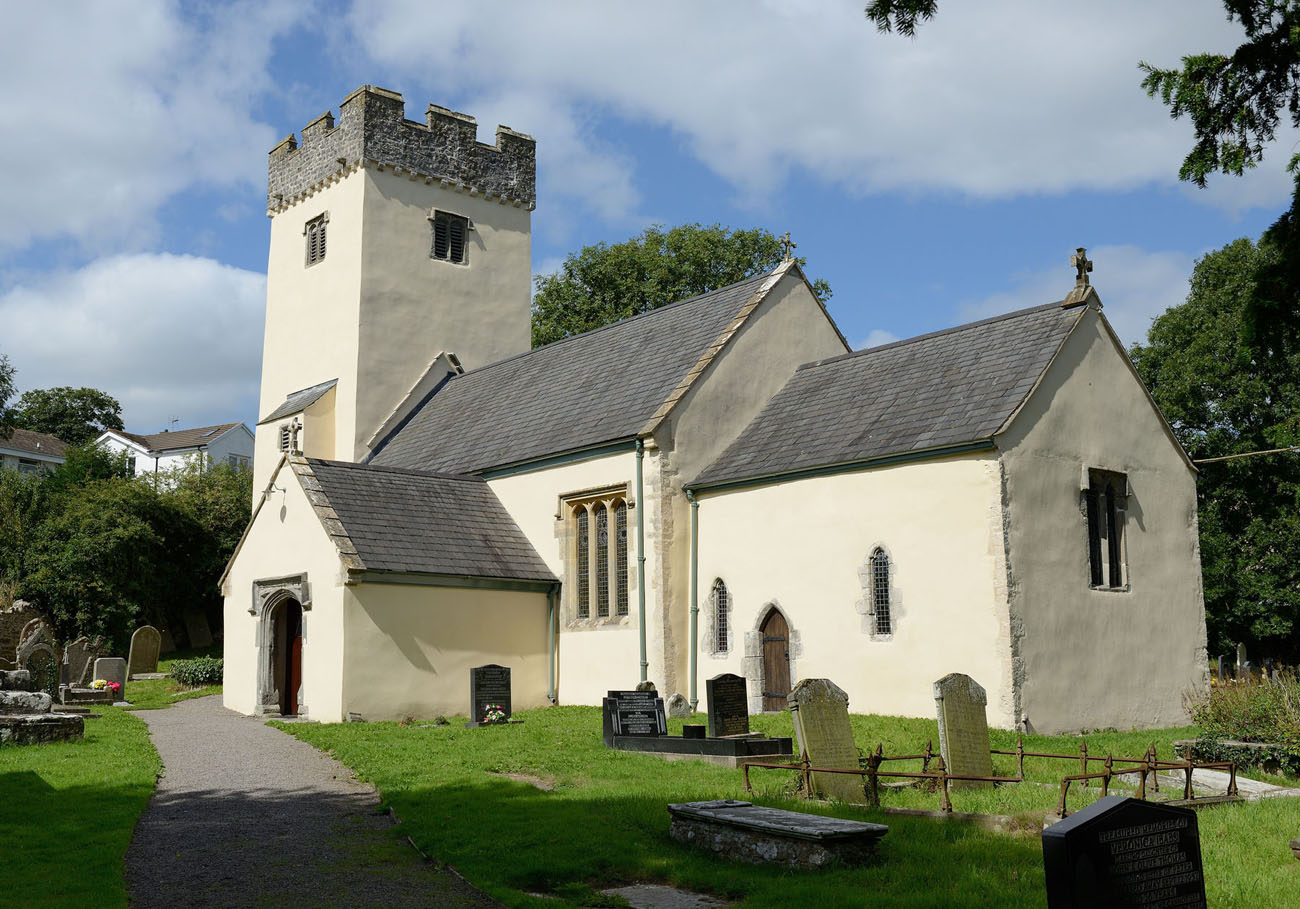
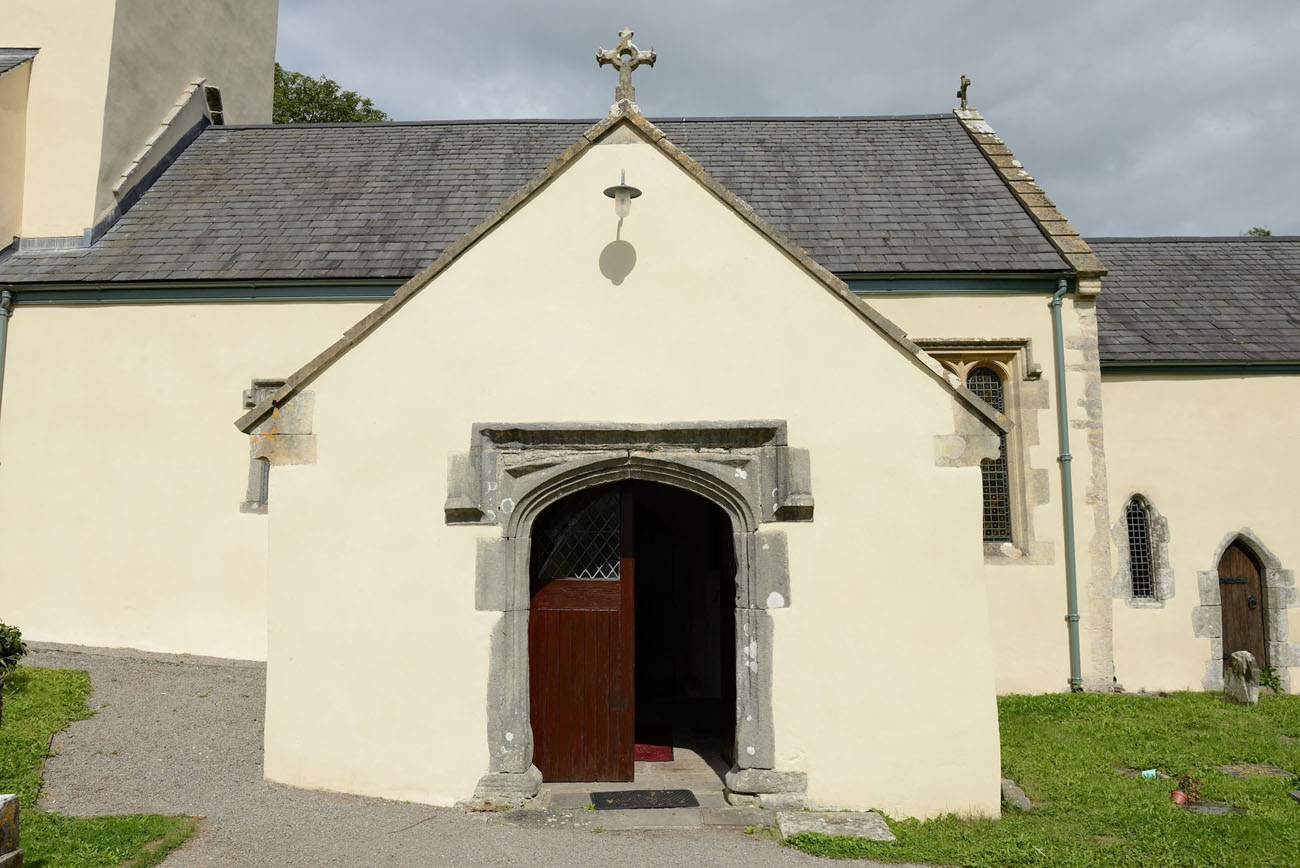
At the end of the 15th or beginning of the 16th century, a square tower was slightly integrated into the western part of the nave. A low avant-corps housing a staircase was placed against its southern wall, and the crown of the walls was topped by a relatively high parapet with battlements supported by corbels. During the same period, the southern entrance to the nave was preceded by a porch, equipped with a wide, moulded portal topped by a straight drip hood with a double bend. In the Late Gothic period, the nave windows and the eastern chancel window were enlarged into large two- and three-light Late Gothic openings, set within quadrangular frames.
Current state
The church has largely retained its late-Gothic appearance along with surviving older architectural details. In the southern wall of the chancel, two original windows and portal from the 13th century have been preserved, and on the sides of the rood arch, three Gothic niches topped with trefoils with traces of medieval polychrome. The nave windows were replaced during the early modern renovation, but perhaps they imitate the form of older jambs, such as the 15th-century window in the eastern wall of the chancel.
bibliography:
Hawker C., Colwinston: a historical journey, Cowbridge 2018.
Newman J., The buildings of Wales, Glamorgan, London 1995.
Salter M., The old parish churches of Gwent, Glamorgan & Gower, Malvern 2002.