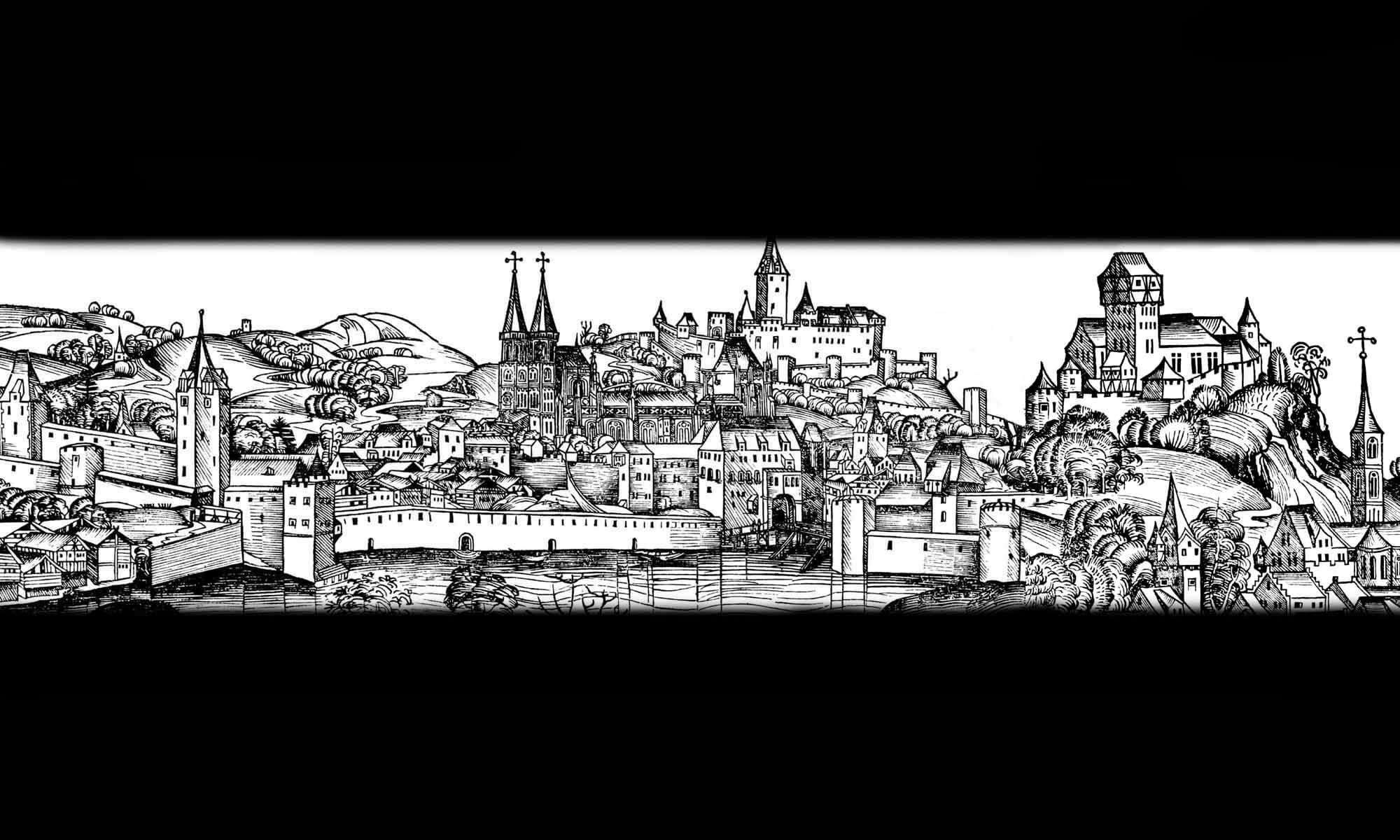
History
According to tradition, the first church on the banks of the River Rumney in Llanedeyrn was founded in the 6th century by Saint Edeyrn. In the 12th century, Anglo-Norman settlers built a new church, making it a chapel of ease of St. Mary’s Church in Cardiff. It was first recorded in 1173, as the property of Tewkesbury Abbey. It returned to the Bishops of Llandaff in 1236, when it became a separate parish. At the turn of the 15th and 16th centuries, the church was rebuilt, including the installation of new windows in the English Perpendicular Gothic style and the addition of a tower. Victorian renovations were carried out in 1888.
Architecture
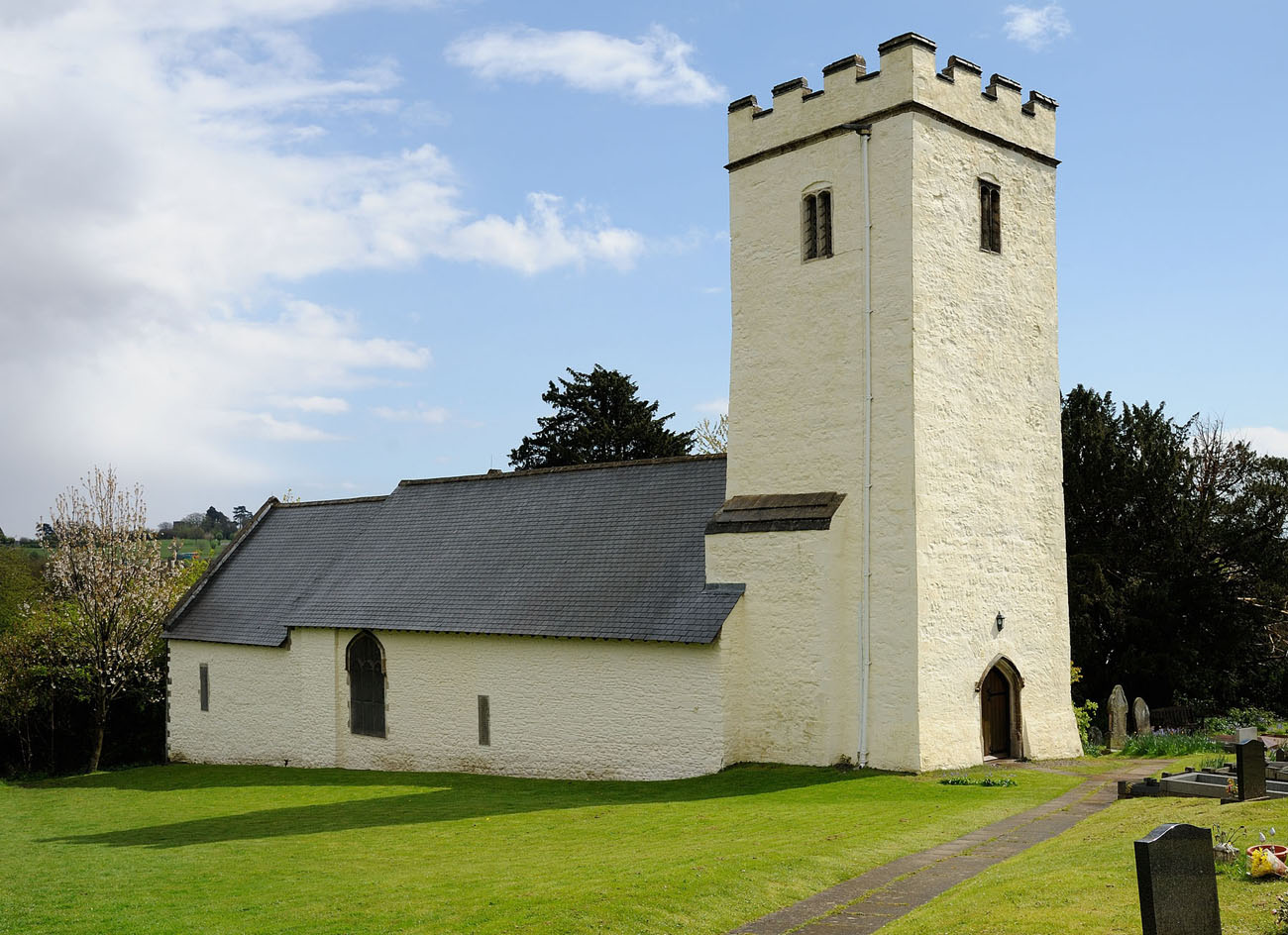
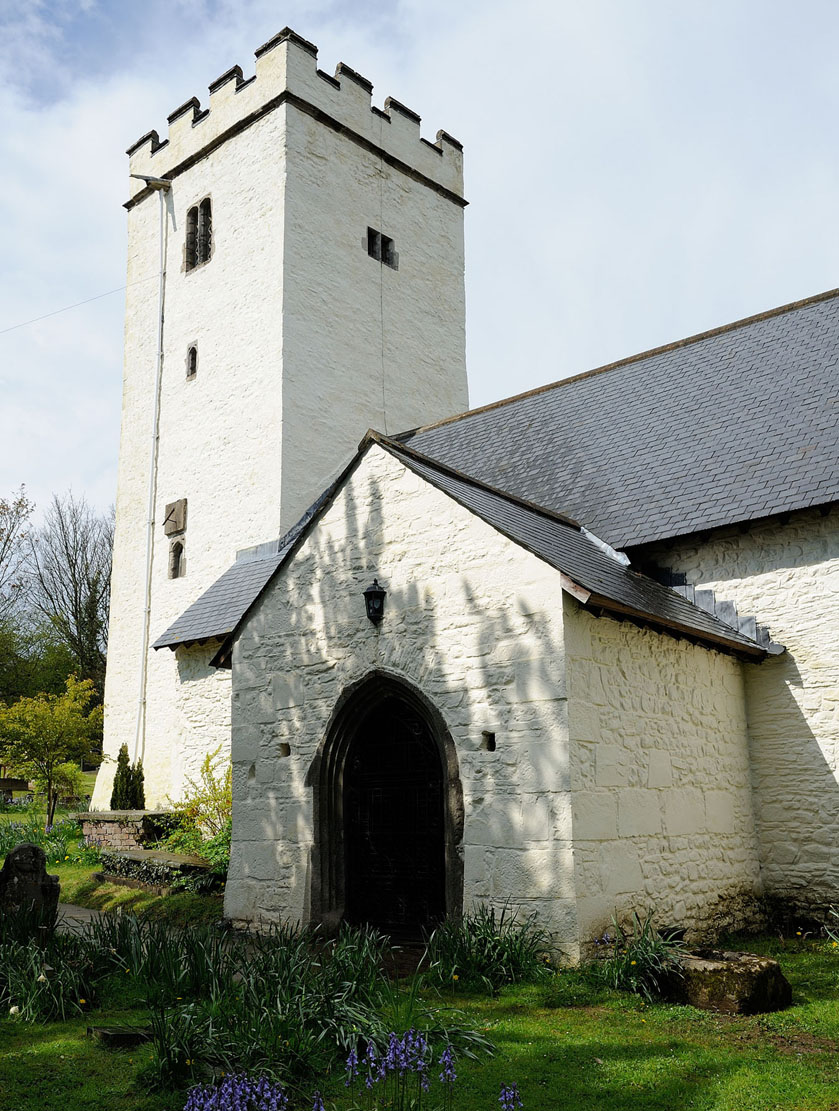
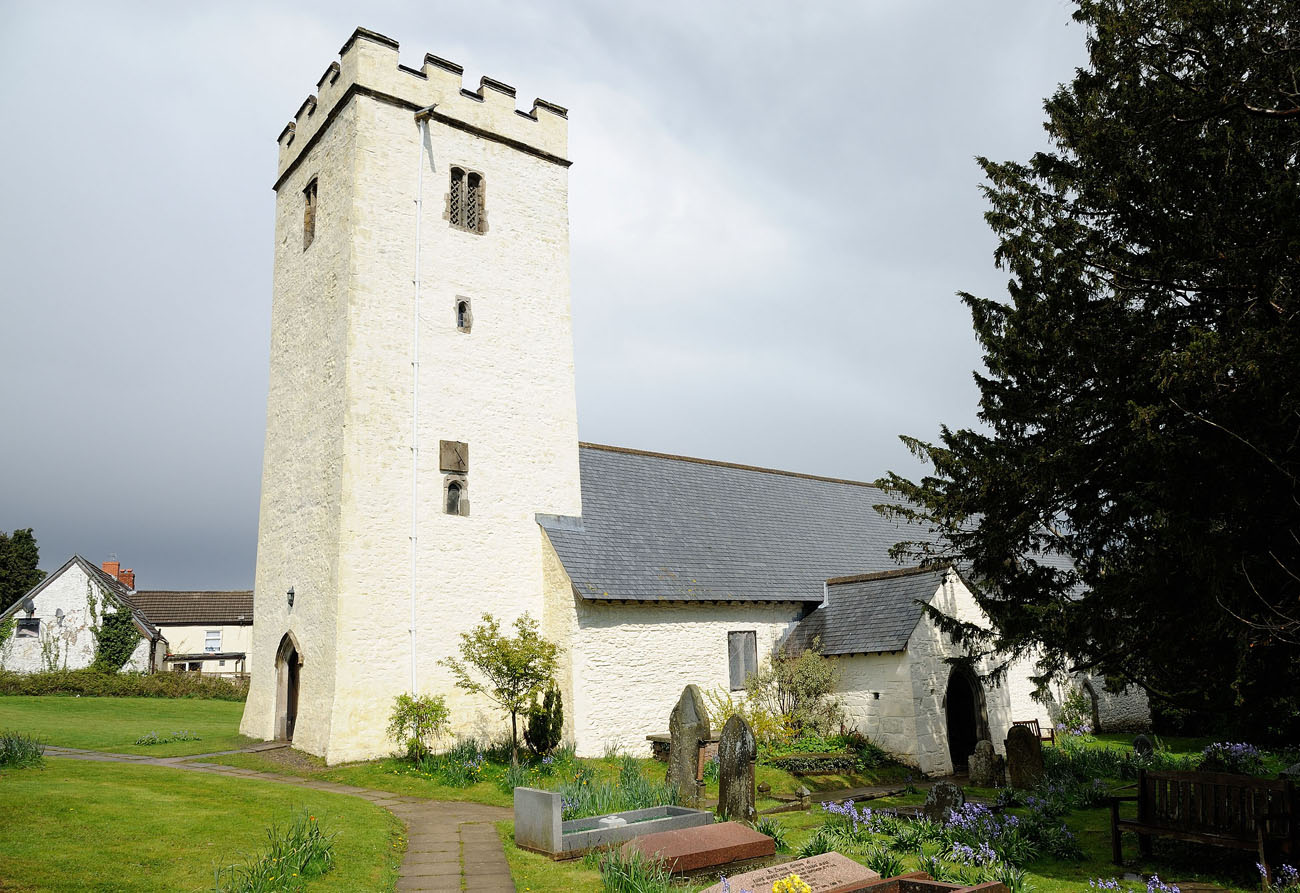
The church was built on a gentle slope descending to the River Rumney to the south. It had a rectangular, elongated nave, and a quadrangular chancel on the eastern side, unusually lower in height but of the same width. The church’s original windows were very narrow openings, almost slit-like. The entrance was located in the western part of the southern wall, where a vaulted porch was probably built in the 14th century. Another entrance portal for the priests was located in the southern wall of the chancel.
In the late Middle Ages, a shallow projection was created in the northern wall of the nave to accommodate stairs to the rood screen. This rood screen, likely of wooden construction, separated the section of the church intended for the lay people from the section for the priests. In addition, in the 13th or 14th century, two-light windows with trefoil heads were inserted into the church walls, and in the late Middle Ages, the nave lighting was improved when some of the original windows were converted into two large pointed windows with three-light tracery.
At the turn of the 15th and 16th centuries, a quadrangular tower was built to at western wall of the church, slightly integrated into the nave. A pointed, double-chamfered entrance portal was placed in the western wall, intersecting a plinth with sloping facades (batter). A battlemented parapet topped the tower at the crown of the walls. On the northern side, the tower received a low, shallow projection in the wall, housing a staircase. Lighting for the top floor with the bells was provided by pairs of openings with segmental heads. Furthermore, two smaller windows with bas-relief spandrels were placed in the southern wall.
Current state
The church retains its medieval spatial layout, resulting from the expansion of a small Romanesque church into a substantial late Gothic village parish church. Several windows, the entrance portal to the porch, the bricked-up portal in the chancel, and the western portal in the tower have survive. The chancel arcade was likely widened in 1888. The eastern window of the chancel and the wooden wagon roofs over the nave and chancel also date from this period.
bibliography:
Newman J., The buildings of Wales, Glamorgan, London 1995.
Salter M., The old parish churches of Gwent, Glamorgan & Gower, Malvern 2002.
Watkins P.A., The Problem of Pendar: a lost abbey in medieval Senghenydd and the transformation of the church in South Wales, Lampeter 2015.